Early life and inheritance of responsibility
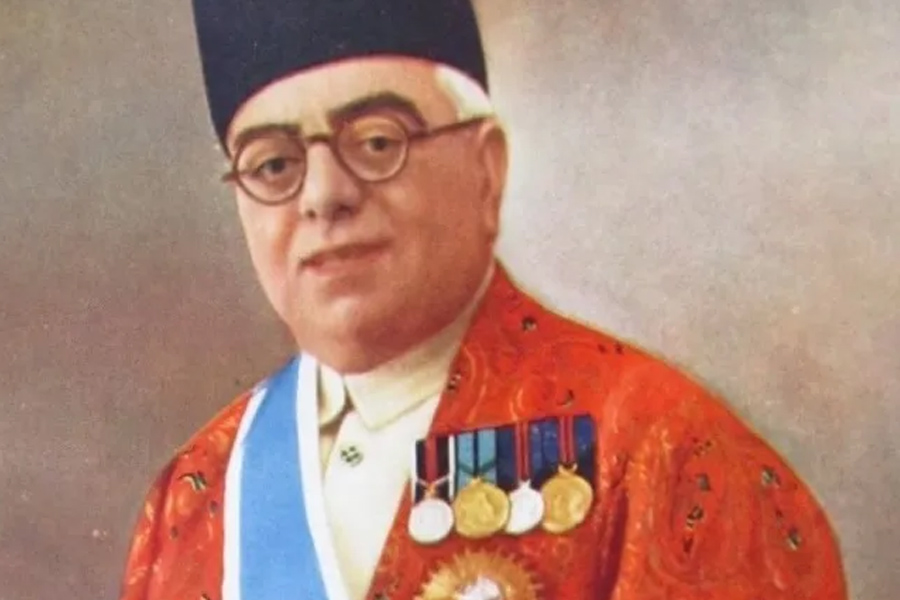
I have always been struck by the way names carry history. Aga Sultan Mahomed Shah Aga Khan was born on 2 November 1877 in Karachi, British India. At age 7, on 17 August 1885, he inherited a mantle that had been passed down for centuries when he became the 48th hereditary Imam of the Nizari Ismaili Muslims. Imagine a child given a map of a thousand-year journey and told to keep drawing new routes for his people. That is the image that stayed with me as I read his life.
He was educated in elite British institutions. He attended Eton College and then the University of Cambridge. Those years shaped a leader who could speak in the language of courts and parliaments, while remaining rooted in the rhythms of a transnational religious community.
Family, marriages, and children
Family to him was both personal and dynastic. He married multiple times and fathered children whose lives would ripple across continents. I list the principal relationships with dates and brief notes.
| Relation | Name | Key dates and notes |
|---|---|---|
| Parents | Aga Khan II – Aqa Ali Shah (father) | Predecessor as Imam |
| Parents | Shams al-Muluk (mother) | Royal Persian descent |
| Spouse 1 | Shahzadi Begum | Married 2 November 1896 |
| Spouse 2 | Cleope Teresa Magliano | Married 1908; mother of Aly Khan |
| Spouse 3 | Andrée Joséphine Carron | Married December 1929; mother of Sadruddin |
| Spouse 4 | Om Habibeh – Yvonne Blanche Labrousse | Married 9 October 1944; survived him |
| Children | Giuseppe Mahdi (died infancy) | Died February 1911 |
| Children | Aly Khan – Aly Salomone Khan | Born 13 June 1911, died 12 May 1960 |
| Children | Sadruddin Aga Khan | Born 17 January 1933, died 12 May 2003 |
| Notable grandchild | Prince Karim al-Hussaini – Aga Khan IV | Born 13 December 1936; succeeded in 1957 |
The family reads like a ledger of modern history. Aly Khan became a diplomat and social figure, serving as Pakistan’s permanent representative to the United Nations in 1958. Sadruddin pursued an international career and served in senior United Nations roles, including work that shaped refugee policy in the 1960s and 1970s. Prince Karim, the grandson, succeeded as the 49th Imam in 1957 at age 20.
Public life, politics, and international roles
His life, to me, is a bridge connecting two universes. He was a large-scale institution builder. He was a founding member and the first permanent president of the All-India Muslim League in 1906. From 1930 to 1932, he participated in constitutional discussions over India’s future at the Round Table Conferences in London.
The scope of his public presence is anchored by dates and numbers. He served as the League of Nations’ Assembly’s president in 1937 and 1938. In 1934 he became a member of the British Privy Council. Throughout his life, he was bestowed with numerous awards by European and British orders. These official positions make it evident to me that he went between his local responsibilities and the rooms where decisions were made on a global scale.
Institutional legacy, education, and finance
He established and supported charitable and financial systems that were similar to contemporary social investment. The Diamond Jubilee trusts and associated funds were created to promote community welfare, health care, and education throughout East Africa and South Asia. These organizations, in my opinion, are early social endowments that incorporate both philanthropy and business.
He made formal education investments as well. The group established humanitarian organizations and schools under his direction, fusing contemporary curricula with religious identity. It was a practical approach. It was about creating organizations that would outlive a single leader, such as hospitals, schools, and insurance. The financial footprint is a collection of trust funds, businesses, and endowments built over many years rather than a single fortune.
Cultural presence and personal interests
If you picture him offstage, he was a patron of horses, a public intellectual who wrote and spoke about politics, and a figure who cultivated cosmopolitan friendships. He published works including a major study in 1918 titled India in Transition, and in 1954 he published memoirs. He had a visible presence in horse racing and breeding circles, which to me underlines his taste for tradition and spectacle.
Timeline – selected milestones
| Year | Event |
|---|---|
| 1877 | Birth – 2 November |
| 1885 | Succeeds as Imam – 17 August |
| 1896 | First marriage – 2 November |
| 1906 | Involvement with All-India Muslim League |
| 1908 | Marriage to Cleope Teresa Magliano |
| 1911 | Birth of Aly Khan – 13 June; Giuseppe Mahdi dies Feb 1911 |
| 1918 | Publication – India in Transition |
| 1929 | Marriage to Andrée Carron – December |
| 1933 | Birth of Sadruddin – 17 January |
| 1937 | President of League of Nations Assembly |
| 1944 | Marriage to Om Habibeh – 9 October |
| 1954 | Memoirs published |
| 1957 | Death – 11 July |
This table is a skeleton, but it helps me track the rhythm of a life that spanned 79 years and that touched at least three continents.
Portrait of relationships and generational impact
I think of the family as a set of concentric circles. The inner circle is immediate: parents, spouses, and children. The next circle is public heirs who inherit institutional responsibilities, like Prince Karim who took up the Imamate on 11 July 1957. The outer circle includes diplomats, cultural patrons, and international civil servants such as Sadruddin who shaped global humanitarian policy.
The family story is also a story of modern migration and hybridity. Italian and French spouses, South Asian roots, European education, and international diplomatic work create a tapestry in which identity is not bound to a single nation.
FAQ
Who was Aga Sultan Mahomed Shah Aga Khan in one sentence?
I would say he was the 48th hereditary Imam of the Nizari Ismaili Muslims, a statesman and institution builder born on 2 November 1877 who led his community from 1885 until his death on 11 July 1957.
How many times did he marry and who were his spouses?
He married at least four times. The principal spouses recorded in family lines were Shahzadi Begum, Cleope Teresa Magliano (married 1908), Andrée Joséphine Carron (married December 1929) and Om Habibeh – Yvonne Blanche Labrousse (married 9 October 1944).
Who were his children and what did they do?
His notable children include Giuseppe Mahdi who died in infancy, Aly Khan (born 13 June 1911, died 12 May 1960) who became a diplomat and public figure, and Sadruddin Aga Khan (born 17 January 1933, died 12 May 2003) who pursued an international humanitarian career. Aly Khan fathered Prince Karim al-Hussaini, who became Aga Khan IV in 1957.
What were his main public roles?
He served as the first permanent president of the All-India Muslim League starting in 1906. He participated in the Round Table Conferences from 1930 to 1932. He was a member of the British Privy Council in 1934 and he presided over the League of Nations Assembly in 1937 and 1938.
What institutions did he found or influence?
He established and promoted trusts and financial structures such as Diamond Jubilee initiatives, educational institutions, and welfare funds that seeded long-term community development in South Asia and East Africa.
When did he publish major works?
He published India in Transition in 1918 and his memoirs in 1954. These writings reflect his political thought, modernist tendencies, and reflections on public service.