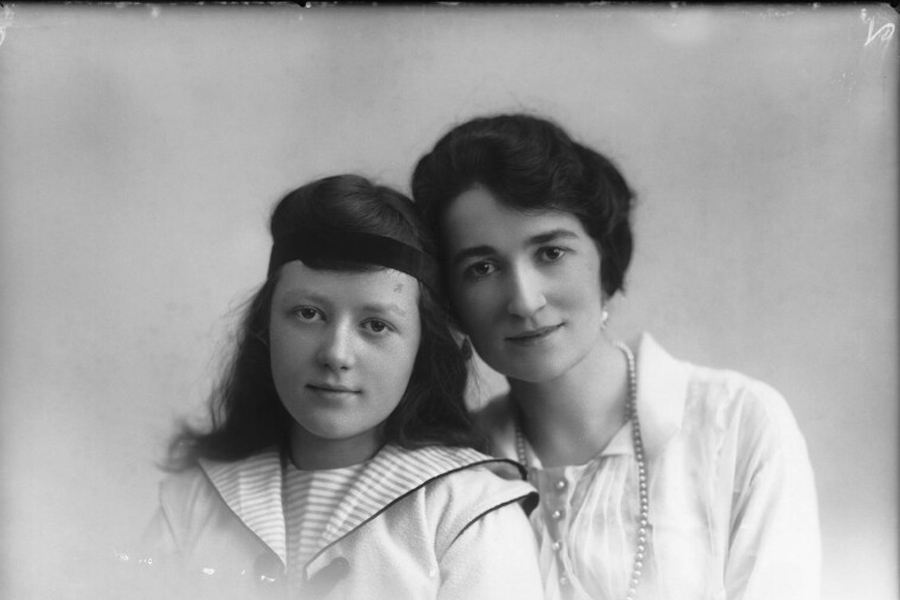
Early life and theatrical pedigree
Georgia Ethelia Cohan — known professionally as Georgette Cohan — was born on 26 August 1900 into a family for whom the stage was both vocation and identity. The daughter of George M. Cohan (1878–1942) and Ethel Levey (1880–1955), she arrived at the turn of the century already cradled in show-business legend. Her childhood was a transatlantic one: parts of her early years were spent in England and she received schooling in France. That bilingual, bicultural upbringing left a visible imprint on her career choices and the textures of her public life.
She matured amid the pulse of vaudeville and the emerging modern theatre, inheriting both the ambition and the burdens of a celebrated name. If the Cohan household was an orchestra, Georgette learned early to find her own tempo.
Basic information
| Field | Detail |
|---|---|
| Full / birth name | Georgia Ethelia Cohan |
| Professional name | Georgette Cohan |
| Born | 26 August 1900 — Los Angeles (U.S.) |
| Died | 26 October 1988 (aged 88) |
| Parents | George M. Cohan (father), Ethel Levey (mother) |
| Step-parent | Claude Grahame-White (stepfather via Ethel Levey) |
| Major early role | Peter Pan (London — Christmas revival, December 1919) |
| Broadway highlights | Madeleine and the Movies (1922), Diplomacy (1928), The Rivals (1930) |
| Marriages | J. William Souther (married 1921; widowed 1925), William Hamilton Rowse (married 1926; divorced 1927) |
| Resting place | Ashes / memorial in family mausoleum, Woodlawn Cemetery (Bronx) |
| Archival presence | Photographs and memorabilia in major theatre collections |
Stage career: Peter Pan, Milne, and Broadway turns
Georgette’s earliest public triumphs came in Britain. In December 1919, at age 19, she took on the title role in a Christmas revival of Peter Pan at the New Theatre in London — a part that demands a blend of boyish daring, physical nimbleness, and luminous charm. That same season she appeared in A. A. Milne’s Mr. Pim Passes By, sharing bills with established performers and tasting the intense scrutiny of London reviewers. Critics and playgoers noticed her: she registered not as mere celebrity-by-lineage, but as an actor with presence.
By the early 1920s she had returned to the United States and began to fold her London experience into an American stage career. She starred in Madeleine and the Movies in 1922, a production written by her father, and later appeared in notable revivals and plays such as Diplomacy (1928) and The Rivals (1930, as Lucy). Numbers tell a steady arc: across roughly a dozen years — 1919–1930 — Georgette moved from promising ingénue to a recognizable name on both sides of the Atlantic.
Her career never exploded into cinematic stardom — her prime years predated the commonplace filming of stage plays — but she left a trail of photographs, playbills, and press notices that sketch a performer who worked steadily and selectively. Where some theatrical lives resembled firework bursts, hers resembled a comet: visible, admired, and then moving on with quiet persistence.
Family, marriages, and the ties that shaped a life
Family connections shaped Georgette’s opportunities and complicated her privacy. She was one of several children in the extended Cohan family network: half-siblings included Mary Cohan and Helen Cohan, and a younger half-brother, George M. Cohan, Jr. Her maternal remarriage linked her to the British aviator Claude Grahame-White, extending the family’s reach into other public spheres.
Her personal life reflected the era’s social rhythms. She eloped in 1921 to marry businessman J. William Souther; the union ended tragically when he died in 1925 of a ruptured appendix. A second marriage to manufacturer William Hamilton Rowse in February 1926 lasted just over a year, ending in divorce in 1927. Press coverage of the time often emphasized marital status alongside stage credits, and in her case the two were reported side by side: a reminder that for women of her class and profession, personal affairs were also public currency.
Timeline of key dates and events
| Year / Date | Event |
|---|---|
| 26 Aug 1900 | Birth of Georgia Ethelia Cohan |
| Dec 1919 | Performed Peter Pan in London (New Theatre Christmas revival) |
| 1919–1920 | Performed in Mr. Pim Passes By in Manchester / London |
| 1921 (Feb) | Married J. William Souther |
| 1922 | Starred in Madeleine and the Movies (Broadway) |
| 1925 (Jan) | Death of first husband, J. William Souther |
| 1926 (Feb) | Married William Hamilton Rowse |
| 1927 | Divorce from Rowse |
| 1928 | Appeared in Diplomacy (Broadway) |
| 1930 | Appeared as Lucy in The Rivals (Broadway) |
| 26 Oct 1988 | Died at age 88; ashes placed in family mausoleum |
Public record, portraits, and the afterlife of an actress
Georgette’s performances are preserved mainly in still images and archival materials. Portraits and photographs — studio sittings, play-stills, and family pictures — form the visual residue of her stage life. These images circulate in theatre collections, where they share space with the artifacts of her contemporaries. For modern researchers and theatre buffs, they are the connective tissue that keeps a pre-cinematic career watchable.
Her father’s legacy — songs, plays, and an indelible imprint on American musical theatre — cast a long shadow. Yet Georgette’s story is not merely footnote to a famous parent. She illustrates a recurring theatrical figure of the early twentieth century: the performer who moves between continents, who adopts roles both whimsical and classical, and who negotiates public attention and private loss.
Why Georgette matters
She lived through an era of transition: vaudeville to modern theatre, London’s playhouses to Broadway’s revival stages, silent photographs to the first flickers of recorded sound. Her life spans 88 years, a human ledger filled with stage lights, transatlantic journeys, marriages, and quiet decades catalogued in archives. In that ledger, numbers and dates mark the beats, but the spaces between them suggest a life lived on terms slightly apart from headline-making celebrity — steady, observant, and imprinted in the collections that preserve the theatre’s memory.