Quick Facts
| Field | Information |
|---|---|
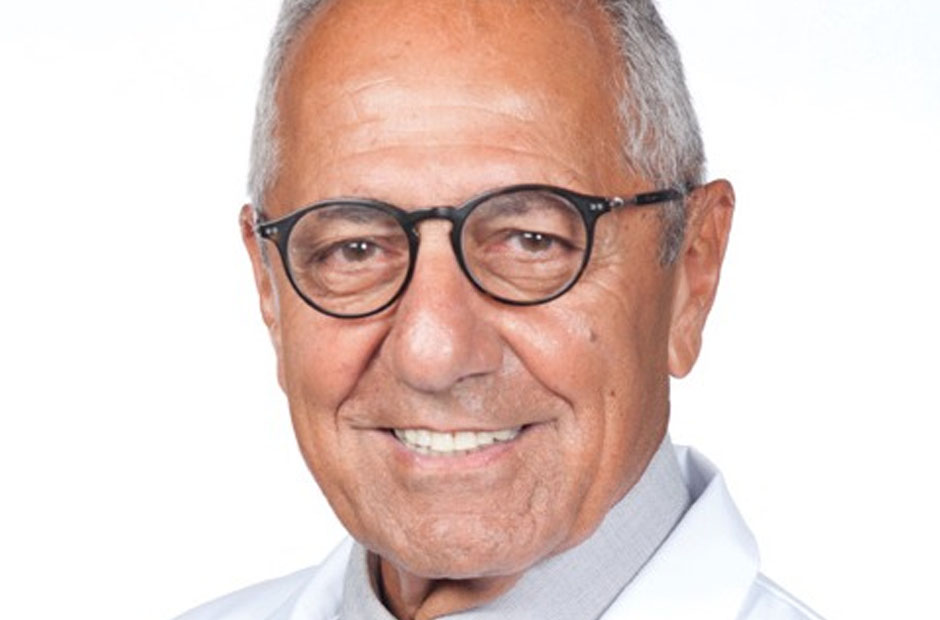
| Name | Itzhak (Ike) Shasha, MD, FACS |
| Profession | Board-certified general/vascular surgeon |
| Specialties | Robotic-assisted surgery, laparoscopic procedures, general/vascular surgery |
| Languages | Hebrew (reported) |
| Regions of Practice | Palm Beach County / Jupiter, Florida; affiliated with Tampa General Hospital’s Palm Beaches practice |
| Notable Roles | Director of Robotic Surgery (JFK Medical Center), past chief/chair roles in local hospitals |
| Training (public listings) | Surgical training with noted service at Beth Israel (New York) and other New York residencies |
| Public personal note | Brief marriage to Olympic swimmer Dara Torres in the early 2000s (sources vary on exact dates); no public record of children together |
| Public financial record | No public, verifiable personal financial disclosures available |
Biography: a surgeon between scalpel and community
Itzhak Shasha is presented in public profiles as a career surgeon whose professional life has been woven into the South Florida hospital ecosystem. The contours are familiar: medical training in New York, progression through surgical residencies, a Fellowship in the American College of Surgeons, and later leadership positions in community hospitals. He is often described as an Israeli-background physician who speaks Hebrew; that cultural thread shows up in media references to his personal life and in profiles that note his origins.
In the hospital corridors he is a figure of steady authority. In the public record his identity reads as clinical and operational first, personal details second. That arrangement — professional profile out front, private life kept close to the vest — shapes how he appears in local reporting and provider directories.
Family & relationships: public traces, private gaps
Family details that appear in public records are limited and focused. The most widely noted personal connection is his brief marriage to Olympic swimmer Dara Torres in the early 2000s. Accounts agree the marriage occurred in that period but differ on the exact year and the length of the union; contemporaneous and later biographical notes vary. What is consistent across public records is the absence of evidence that Dr. Shasha and Ms. Torres had children together.
Below is a compact table of the family members who appear in public discourse:
| Name | Relationship to Shasha | Public detail |
|---|---|---|
| Dara Torres | Ex-spouse | Olympic swimmer; married briefly in the early 2000s; dates vary by source |
| Tessa Grace | Not related to Shasha | Daughter of Dara Torres and David Hoffman (born after Torres’s marriage to Shasha) — publicly identified as Torres’s child |
The public record does not extend into an extended family tree for Dr. Shasha. Physician bios and hospital pages emphasize credentials and roles rather than domestic arrangements.
Career and achievements: leadership in the operating room
Shasha’s career reads as a steady climb through hospital leadership and specialized practice. His clinical identity centers on general and vascular surgery, with a significant emphasis in the last decade or more on minimally invasive and robotic-assisted techniques. Hospital profiles list titles such as director of robotic surgery and identify him with surgical quality and program leadership.
Numbers and dates that appear repeatedly in public listings include:
- 1987–1990: Cited in some biographies as a period when he held chief of surgery or surgical quality roles at Good Samaritan Medical Center.
- ~2010 onward: Frequently referenced as the beginning of his role directing robotic surgery programs at JFK Medical Center and related institutions.
- 2021: Marked by affiliation announcements tying local Palm Beach surgeons into the Tampa General Hospital network.
These entries sketch a professional arc: early leadership responsibilities, later specialization in robotics, and ongoing affiliation with regional tertiary systems. The emphasis is operational — directing programs, implementing robotic platforms, and mentoring surgical teams — rather than academic publishing. Public scholarly records do not show a substantive library of first-author research papers attributed to his name; his imprint is in hospitals and procedural programs.
Timeline: dates and milestones
| Year / Period | Event |
|---|---|
| 1980s–1990s | Surgical training and early leadership roles (residencies and chief positions noted in provider bios) |
| 1987–1990 | Listed in some profiles as holding chief/chair roles at Good Samaritan Medical Center |
| Early 2000s | Marriage to Dara Torres (public accounts indicate early 2000s; exact year disputed) |
| ~2010 | Identified as director of robotic surgery at JFK Medical Center in multiple profiles |
| 2010s–2020s | Continued practice in Palm Beach / Jupiter area; involvement in regional surgical affiliations |
| 2021 | Public affiliation with Tampa General Hospital’s Palm Beaches practice announced |
This timeline is intentionally compact and focused on public, verifiable milestones rather than private minutiae. Where dates diverge across records, the timeline uses approximate markers.
Clinical profile and practice style
Patients and colleagues who interact with surgeons often describe them by their procedural focus and bedside manner. In public profiles, Dr. Shasha’s practice is presented as technologically forward and clinically broad: general and vascular cases, laparoscopic operations, and robotic-assisted procedures. Leadership roles in surgical quality and program direction suggest involvement beyond the operating table — scheduling, credentialing, and program development.
Picture a ship’s surgeon who also supervises the rigging: he performs the operations, but he also manages the systems that make modern surgical work possible. That metaphor fits the dual image that public listings project — clinician and administrator.
Public presence and recent mentions
In recent public mentions, Dr. Shasha appears most often in hospital materials and local healthcare reporting: press announcements about surgical affiliations, provider directory updates, and institutional program descriptions. These mentions are professional and practical. There is little of the celebrity-style media attention reserved for higher-profile public figures.
His online footprint is therefore institutional rather than personal: hospital pages, provider directories, and system press releases form the visible trail. There are few, if any, widely circulated personal social media accounts or dedicated video libraries under his name. Interviews, when they exist, tend to be within institutional contexts — group events, hospital promotional materials, or community health pieces.
What is and isn’t in the public record
Public records reflect hospital roles, training notes, and a brief high-profile marriage; they do not provide personal financial disclosures or an extended record of private family life. Dates for the early-2000s marriage are inconsistently reported across outlets, and there is no verifiable public evidence of children shared with Dara Torres. Professional honors and membership designations (such as Fellowship in the American College of Surgeons) are part of the profile. Academic first-author publications under his name do not form a substantial, searchable corpus.
The portrait that emerges is of a surgeon who has spent decades rooted in community hospitals, steering surgical programs while keeping private life largely out of the headlines. He is a professional whose public presence reads like a series of clinical entries — dates, titles, affiliations — punctuated by a brief, public personal connection to a prominent athlete. The result is a profile of a medical professional whose career is textured by leadership roles and local health-system engagement, with personal details present but sparing.